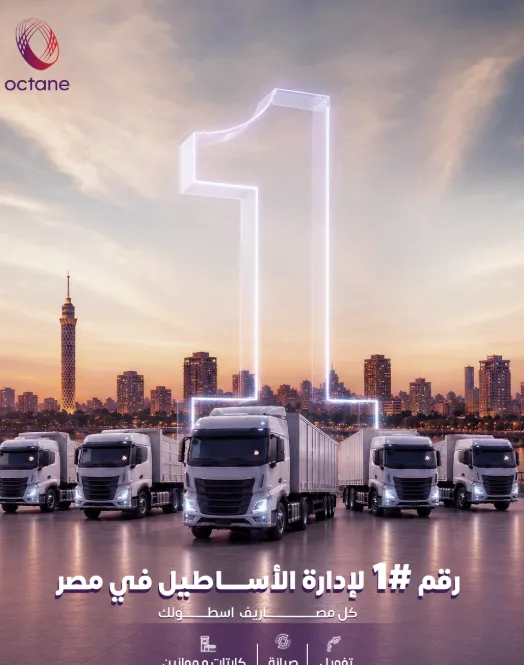
Egypt's Fleet Digitization Wave: What It Means for Your Business
From NFC payments to real-time dashboards, Egypt's transport sector is going digital fast. Fleet managers who adapt now will hold a significant cost and compliance advantage.
Why Egypt's Logistics Sector Is at an Inflection Point
Egypt is home to one of the largest commercial vehicle populations in Africa, with hundreds of thousands of trucks, vans, and service vehicles operating across a road network that spans more than 100,000 kilometers. For decades, this sector ran on paper, cash, and personal relationships. That is changing rapidly. Government digitization mandates, the growth of e-commerce, and the entry of technology-first operators are forcing the entire sector to modernize — and fleet managers who move first will hold advantages that are difficult for competitors to close.
The Government Push
Egypt's national digitization agenda is not limited to consumer payments. The transport and logistics sector is a priority. Digital toll collection, electronic vehicle registration, and the move toward cashless fuel payments are all part of a broader infrastructure shift being driven at the governmental level. For fleet operators, this means that some of the transition to digital is not optional — it is becoming the baseline for operating legally and efficiently on Egyptian roads.
NFC Technology: The Core of Fleet Payment Digitization
Near Field Communication is the technology enabling the most practical fleet digitization use cases in Egypt today. An NFC sticker or tag assigned to a vehicle and linked to a driver profile can authorize fuel transactions, maintenance service requests, and toll payments — all without cash, paper, or manual data entry. Each interaction is logged automatically with time, location, vehicle ID, and amount. The fleet manager sees everything in real time. The driver carries nothing but their NFC tag.
Real-Time Dashboards: Managing by Data Instead of Instinct
The most transformative shift for Egyptian fleet managers moving to digital platforms is the replacement of weekly or monthly reports with real-time dashboards. Instead of waiting until month-end to understand fuel spend, maintenance costs, and vehicle utilization, a digital fleet management platform makes this information available moment to moment. Fleet managers who run by data instead of instinct consistently outperform peers on cost control, vehicle uptime, and compliance — because they can see problems and act on them before they become expensive.
The Competitive Advantage Window
In any industry undergoing digital transformation, there is a window of asymmetric advantage for early adopters. Fleet operators who digitize now — while competitors are still managing by paper — gain cost advantages that compound over time. Lower fuel spend per kilometer, fewer unplanned breakdowns, less fraud, and faster reconciliation all reduce operating costs. When the sector fully digitizes and these tools are universal, the advantage narrows. The operators who moved early will have had years of lower-cost operations behind them.
Practical Steps to Start the Transition
Digitization does not require replacing everything at once. The highest-return starting point for most Egyptian fleets is fuel management: digitize refueling transactions first, since fuel is typically the largest controllable cost line and the one most exposed to fraud. From there, add digital maintenance scheduling and toll payment management. Within six months of starting this transition, most fleet managers have enough data to identify their next highest-impact optimization — and the savings from the first phase are already funding the next one.
What to Look for in a Fleet Management Platform
Not all fleet management software is built for the Egyptian market. Look for platforms designed around local payment infrastructure, Arabic language support, integration with Egyptian fuel networks and toll systems, and local customer support. A platform built for the MENA market understands the specific compliance requirements, cash-handling norms, and operational realities that differ from Western markets. The right tool is one that fits your workflows as they actually exist — not how a foreign software vendor assumes they should.
Ready to take control of your fleet?
See how Octane gives fleet managers real-time visibility, cost control, and fraud prevention — all in one platform.